Essential basic ASL phrases for beginners include greetings like hello and nice to meet you, along with conversational staples such as please, thank you, and how are you. Learning these signs facilitates respectful communication and helps bridge the gap between hearing individuals and the Deaf community during initial interactions.
Stepping into your first conversation with a member of the Deaf community can feel intimidating. You might worry about making a mistake or inadvertently causing offense; this hesitation is common, yet it often prevents meaningful connections from forming. At Easy Signing LLC, we recognize that true accessibility starts with a foundation of respect and practical skill. Learning these basic phrases allows you to navigate interactions with confidence rather than fear. In this guide, you will master essential greetings and discover "lifeline" phrases designed to help you manage the pace of any exchange. We will also explore vital etiquette tips and common questions to ensure your first interaction is both polite and productive. By the end of this post, you will have the tools to move past simple gestures and engage in a respectful dialogue that honors the language and culture of the Deaf community.
Beyond the Basics: Why Your First ASL Conversation Matters
Learning American Sign Language involves more than memorizing a list of signs or mastering the manual alphabet. It is fundamentally about building a bridge between the hearing and Deaf communities through authentic connection. At Easy Signing LLC in Grayslake, IL, our mission is to foster inclusion by providing the tools necessary for real-world communication. We believe that true proficiency grows from meaningful interaction, not just vocabulary memorization in isolation.
It is completely natural to feel beginner anxiety when approaching your first interaction. Many new learners worry about forgetting a sign or making a mistake, but the Deaf community generally values the effort of engagement over perfect technical execution. This guide moves beyond static lists to focus on the dynamic flow of dialogue. While many resources provide basic ASL phrases for beginners, we prioritize the practical tools that help you navigate a conversation when you feel stuck or overwhelmed.
By focusing on these interaction-based signs, you can move from simple observation to active participation. For those exploring ASL for families or participating in community-based ASL programs, the goal is to keep the exchange moving even when your confidence wavers. If you ever feel uncertain about your technique, you can contact our instructors to receive personalized guidance. This foundation ensures that your first conversation is a respectful step toward true inclusion.
Essential ASL Greetings to Start on the Right Note

Starting your first interaction requires more than just hand placement. While "Hello" is the most common entry point, performed as a slight salute from the temple, its effectiveness depends entirely on your Non-Manual Markers (NMMs). In ASL, NMMs refer to the facial expressions and body movements that provide grammatical context and emotional tone. A greeting signed with a blank face and no eye contact can feel clinical or robotic. To convey genuine warmth, your facial expression must match the sentiment of the sign. For those learning ASL for families, practicing these expressions alongside the signs is the best way to ensure your communication feels natural and inviting.
For casual settings, "What's up?" is a frequent opener. This sign involves the middle fingers brushing upward from the chest. It is idiomatic and sets a relaxed tone. When concluding an introduction, the sequence for "Nice to meet you" involves sliding the dominant palm over the non-dominant palm for "nice," followed by the "meet" sign where two index fingers come together like two people standing face to face. These basic ASL phrases for beginners serve as the foundation for every respectful exchange.
### The "How Are You?" Cultural Shift Asking "How are you?" is a staple of early conversation, yet the response you receive may differ from English conventions. In many hearing cultures, "How are you?" is a rhetorical greeting where the expected answer is "Fine" or "Good," regardless of actual feelings. In Deaf culture, the exchange is often more direct and honest. If a person is tired, frustrated, or busy, they are likely to sign that specific state rather than providing a polite platitude. This honesty is not a sign of negativity; it is a reflection of the value placed on clear, authentic communication. When you ask this question, be prepared to engage with a real answer rather than a scripted one.
The Lifeline Phrases: How to Manage the Pace of Conversation

Navigating the rhythm of a fast-paced dialogue is often the most daunting part of a first interaction. While knowing basic ASL phrases for beginners helps you start, these lifeline phrases act as essential social lubricants that keep the interaction respectful and productive. One of the most common mistakes new learners make is nodding along when they are actually lost. This habit can lead to significant misunderstandings and frustration for both parties. Using clarifying signs demonstrates that you value the conversation enough to ensure you are truly receiving the message rather than just observing it.
The sign for "Slow down please" is an immediate tool for pace control. You perform this by sliding your dominant hand slowly up the back of your non-dominant hand while maintaining a look of focused concentration. Pairing this with the sign for "I am learning ASL" sets clear expectations. To sign this, you indicate "I," then perform the sign for "learn," which involves moving your fingertips from your non-dominant palm to your forehead, followed by fingerspelling A-S-L. This context encourages the other person to adjust their signing speed and vocabulary to match your current proficiency level.
When you miss a specific sign or sentence, use "Again please." This involves arching the fingertips of your dominant hand into the palm of your non-dominant hand. If you find yourself completely lost, the sign for "I don't understand" is crucial. This sign is performed by flicking your index finger up near your forehead, similar to a lightbulb clicking off, while slightly furrowing your brow to indicate confusion. These signs are vital for participants in community-based ASL programs who want to practice with the Deaf community respectfully. By using these tools, you move past the fear of being too slow and instead focus on authentic connection. If you feel these physical movements are still clumsy or lack fluid rhythm, you can contact our instructors at Easy Signing LLC for real-time feedback during a live session.
ASL Etiquette: How to Land Your Signs Respectfully
Mastering basic ASL phrases for beginners is only half the battle; the other half is the physical delivery. In Deaf culture, the mechanics of how you interact are as important as the signs themselves. The most critical rule is maintaining consistent eye contact. In a spoken conversation, you might glance around the room while listening, but in ASL, breaking eye contact effectively interrupts the flow of information. It can be perceived as dismissive or signal that you have stopped listening. Focus on the person's eyes and face rather than staring exclusively at their hands; this allows you to catch the subtle facial expressions that provide grammatical context.
When you need to get someone's attention, do not shout or wave your arms frantically. Instead, use a gentle tap on the shoulder or a small, controlled hand wave within their peripheral vision. In some environments, a light stomp on a wooden floor to create a vibration or quickly flickering the lights are also culturally appropriate methods to signal your presence. Furthermore, keep your movements within the signing space. This is the invisible box extending from the top of your head to your waist and just beyond your shoulders. Signing outside this area is distracting and can alter the intended meaning of a phrase.
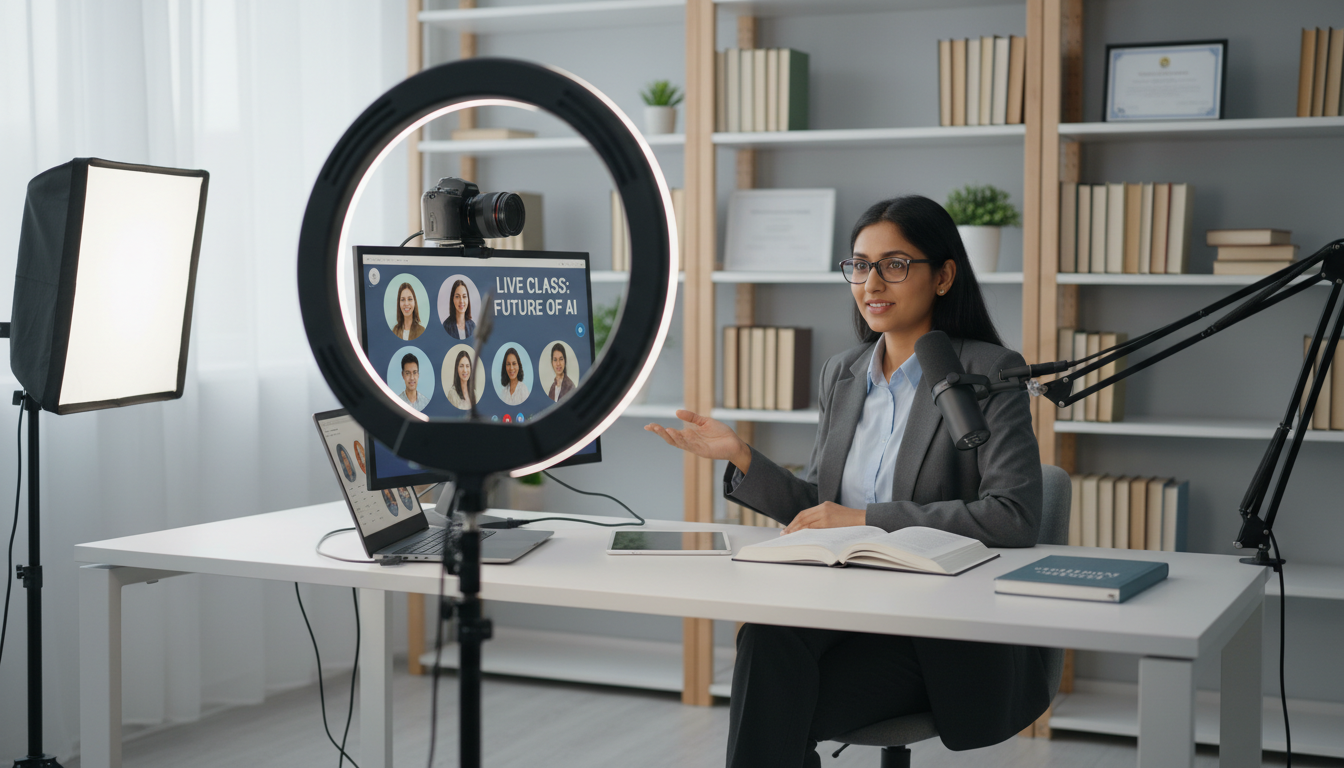
Because these cultural nuances are subtle, self-paced apps often fall short. They can demonstrate a hand shape, but they cannot correct your posture or eye contact. Learning through community-based ASL programs or live classes ensures you receive real-time feedback. If you are unsure if your delivery is respectful, you can contact our instructors to refine your technique before your next interaction.
Common Questions for Your First Interaction
Building on respectful etiquette, the next step is initiating a purposeful exchange. The most fundamental question is "What is your name?" In ASL, this typically follows the syntax: YOU NAME WHAT? When asking this, slightly lower your eyebrows to signal a "Wh-" question. Conversely, if you need to ask "Are you Deaf?", raise your eyebrows to indicate a yes or no question. These basic ASL phrases for beginners establish identity and cultural context immediately.
One of the most valuable tools in your repertoire is "How do you sign [word]?" You can point to an object or act out a concept, then sign SIGN HOW? This demonstrates a proactive interest in the language and the Deaf community. New learners often ask "How do you say beginner in ASL?" While you can sign NEW or START LEARN, the context of your interaction usually conveys your status. If you are wondering "How do I sign better in ASL?", the answer lies in consistent interaction. Engaging in community-based ASL programs or ASL for families provides the repetition needed for muscle memory. You can always contact our instructors for specific tips on refining your handshapes. Asking for help is not a sign of failure; it is a bridge toward fluency.
Practice and Community: Moving Past the First Conversation

Memorizing basic ASL phrases for beginners provides a vital entry point, but lasting fluency is a product of immersion and consistent, real-world application. As the National Association of the Deaf (NAD) highlights, progress accelerates when you move beyond self-study to engage directly with the Deaf community. While static videos offer a convenient starting point, they cannot catch a misplaced finger or an incorrect facial expression. Participating in live sessions through community-based ASL programs ensures you receive the real-time adjustments necessary to prevent bad habits from taking root.
Authenticity is equally important when choosing a path forward. Learning from a Deaf-led organization rather than a hearing instructor ensures you are absorbing the linguistic nuances and cultural history of the language. This perspective is what transforms a series of hand movements into meaningful, respectful conversation. For parents and siblings looking to bridge the gap at home, ASL for families creates a supportive environment where these skills can be reinforced through daily interaction. If you are ready to move past initial nerves and develop true confidence, you can contact our instructors to join a live online class tailored to your specific goals. Real communication is a collaborative process; the sooner you step into a community setting, the faster your skills will flourish.
Learning these fundamental phrases is a wonderful way to begin your journey into American Sign Language and bridge communication gaps with respect. While practicing on your own is effective, developing deeper fluency often requires a bit more structure and guidance. If you feel ready to take your learning further with expert support, you might explore our Personal & Family ASL sessions. We are here to help you gain confidence and build lasting connections through language at your own pace.


