Investing in ASL training for businesses enhances workplace inclusivity and expands customer reach while preparing teams for emerging assistive technologies like AI translation tools. These programs improve internal communication; they also foster brand loyalty and provide a distinct competitive advantage in an increasingly diverse global market.
Inaccessible communication remains a silent drain on corporate growth, often resulting in missed revenue and a disconnected workforce that alienates top talent. As we navigate the professional landscape of 2026, simple compliance is no longer enough to remain competitive. True inclusion requires a strategic commitment to American Sign Language (ASL) and Deaf awareness, which transforms how your business interacts with the world. This article explores the concrete advantages of professional ASL training, from building deep brand loyalty among d/Deaf consumers to fostering a more cohesive workplace culture. You will discover how sector-specific training benefits industries like healthcare and religious organizations; furthermore, we will address why human connection still outperforms AI technology. Learn how Easy Signing LLC provides the practical tools necessary to integrate these essential communication skills into your existing business model for a more inclusive, profitable future.
Understanding the Growing Need for ASL Training for Businesses in 2026
As we navigate 2026, the corporate landscape has moved past the era of passive Diversity, Equity, and Inclusion (DEI) initiatives. Modern organizations recognize that checking a box is no longer sufficient; true inclusion requires active accessibility. This shift is driven by a demographic reality that can no longer be ignored. Approximately 48 million Americans live with some degree of hearing loss, and one in eight people in the United States aged 12 or older has bilateral hearing loss. These figures represent a massive portion of the workforce and the consumer market that requires direct, effective communication rather than mere accommodation.
By 2026, accessibility has transitioned from an optional perk to a core business requirement. While many organizations previously relied on generic sensitivity training, there is a growing demand for practical, skill based corporate and business sign language training. Sensitivity training might inform an employee about the existence of barriers, but ASL training for businesses provides the actual tools to dismantle them. This move toward specialized instruction ensures that employees can navigate real world interactions with confidence and clarity.
Furthermore, while emerging technologies like AI driven smart glasses and real time transcription apps offer support, they remain limited in professional settings. These tools often fail to capture the nuances of facial expressions, body language, and the deep cultural etiquette inherent in American Sign Language. Relying solely on technology creates a sterile, often inaccurate exchange. In contrast, human centered Deaf awareness training ensures that communication is not just transactional, but rooted in cultural competency and genuine connection. This foundation allows businesses to engage authentically with a community that values direct, human interaction above automated workarounds.
Expanding Your Customer Base and Enhancing Brand Loyalty

Proficiency in American Sign Language serves as a direct catalyst for revenue growth and long term customer loyalty. While many companies focus on digital marketing to reach new demographics, those investing in ASL training for businesses tap into an underserved market of millions of people who prioritize accessibility. When a staff member can communicate fluently with a Deaf or Hard of Hearing individual, the exchange transcends a mere transaction. It signals that the organization values the customer's identity and primary language, which fundamentally shifts the dynamic from a cold purchase to a lasting relationship.
The Deaf community is historically tight-knit and relies heavily on trusted recommendations. In locations like Grayslake or the broader Chicago suburbs, word of mouth travels quickly through social networks, community centers, and local advocacy groups. If a retail shop, medical office, or bank is recognized as truly Deaf-friendly, it often becomes the exclusive destination for the entire local signing community. This degree of brand loyalty is difficult to achieve through traditional advertising but is naturally cultivated when businesses prioritize real world communication skills.
Relying on improvised gestures, exaggerated lip movements, or frantic written notes often leads to misunderstandings and increased frustration for both the employee and the customer. Through comprehensive corporate and business sign language training, employees learn to move beyond rudimentary movements to clear, structured communication. This professional skill set reduces wait times and minimizes service errors, which directly impacts operational efficiency and the bottom line. Furthermore, integrating Deaf awareness training ensures that staff understand the specific cultural etiquette required to make a customer feel seen and respected. By removing the friction inherent in traditional service models, businesses create a warm environment that encourages repeat visits and positions the brand as a leader in the competitive 2026 marketplace.
Improving Workplace Culture and Employee Retention

Investing in internal accessibility transforms the office from a collection of silos into a cohesive unit. When hearing staff participate in ASL training for businesses, they actively dismantle the invisible barriers that often sideline Deaf and Hard of Hearing colleagues. An inclusive workplace is fundamentally a warm workplace; it is an environment where a Deaf employee does not have to rely on an interpreter for a simple greeting or a quick project update. This shift reduces the isolation often felt by signing employees and replaces it with a culture of mutual respect and direct collaboration.
Understanding the 90 percent rule is crucial for leadership aiming to improve retention. In Deaf culture, approximately 90 percent of Deaf children are born to hearing parents. This statistic highlights that a significant portion of any workforce likely has a personal, familial connection to hearing loss, even if they are not Deaf themselves. Providing community ASL programs or specialized workplace training honors these personal histories and allows employees to bring their full selves to work. It transforms a professional skill set into a deeply personal benefit that resonates far beyond the clock-out time.
By 2026, offering corporate and business sign language training has become a high-value professional development perk. Beyond the immediate communication benefits, ASL training improves cognitive functions such as spatial reasoning and mental flexibility. Employees perceive this as a meaningful investment in their personal growth rather than a mandatory chore. High-level Deaf awareness training fosters empathy and sharpens executive control, leading to higher engagement and lower turnover. When employees feel equipped to communicate with every member of their team, they develop a stronger sense of belonging and are significantly more likely to remain loyal to the organization.
Navigating the 2026 Tech Landscape: Why AI Cannot Replace Human Connection
While 2026 has introduced sophisticated computer vision and augmented reality glasses capable of real time translation, these tools remain supplements rather than solutions. Digital interfaces often fail to capture non manual markers, the essential facial expressions and body shifts that provide grammatical structure to ASL. Without these nuances, a translation tool might misinterpret a question as a statement or miss the intensity of a customer’s concern. This technical gap is why ASL training for businesses remains the gold standard for organizations that value accuracy and rapport over automated convenience.
Easy Signing LLC’s live, interactive model focuses on the 5 C’s of language learning, which software cannot replicate in a professional environment:
The 5 C's | Business Application |
|---|---|
Communication | Facilitating direct, fluid interaction between staff and customers. |
Cultures | Mastering Deaf etiquette and professional social norms. |
Connections | Integrating ASL skills with industry specific workflows and terminology. |
Comparisons | Developing linguistic insights that improve overall communication clarity. |
Communities | Building an active, respectful presence within the local signing population. |
Static apps and emerging tech lack the real time feedback provided by an expert instructor. Effective Deaf awareness training teaches employees critical nuances, such as maintaining appropriate eye contact and the correct ways to gain a person's attention. These are vital components of cultural etiquette that an AI algorithm cannot mirror, ensuring that business interactions remain human centered and respectful.
Sector Specific Training: From Healthcare to Religious Institutions
While general proficiency is valuable, the real power of ASL training for businesses lies in specialization. A one size fits all approach often misses the mark because the linguistic requirements of a medical professional in an Illinois hospital differ vastly from those of a store manager in Grayslake. Tailored instruction ensures that staff members are not just signing, but are using the specific terminology required for their unique professional environments.
In the medical field, communication acts as a life-saving bridge. Effective Deaf awareness training for healthcare providers focuses on critical touchpoints such as the initial intake process and bedside manner. When a nurse can directly ask about pain levels or explain a procedure without waiting for an interpreter during an emergency, it reduces patient trauma and significantly improves health outcomes. This immediate, human connection provides comfort in high-stress situations where technical accuracy and empathy must coexist.
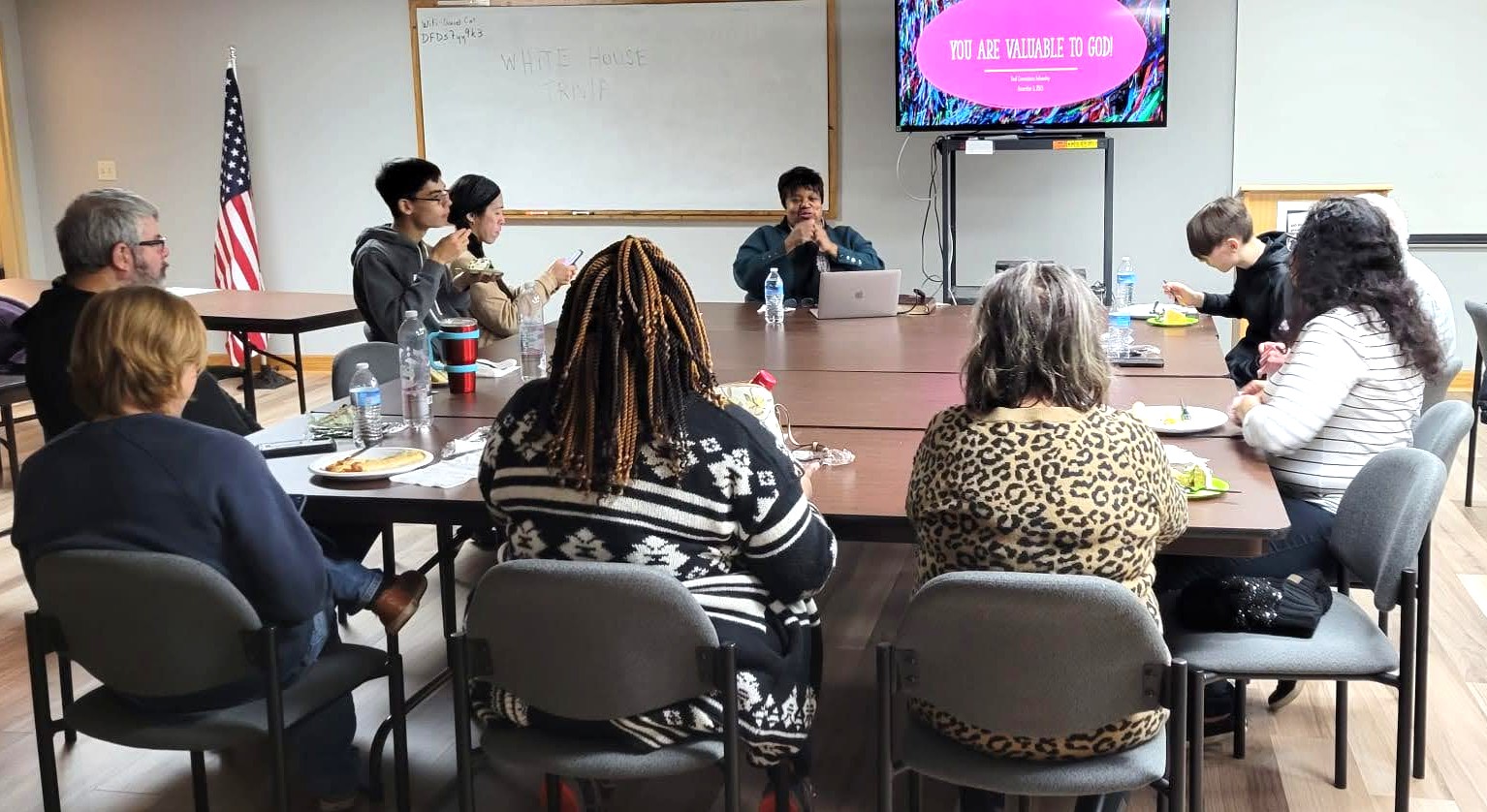
Religious institutions and community groups also require a distinct approach to inclusion. For many, a place of worship is a central hub for social and spiritual life. When leadership and volunteers are equipped with ASL, they ensure that worship services, community meetings, and rites of passage are accessible to all members of the congregation. This fosters a truly equitable environment where Deaf and Hard of Hearing individuals participate as active members rather than passive observers.
Industry Sector | Primary Training Focus | Strategic Outcome |
|---|---|---|
Healthcare | Intake and bedside interaction | Reduced patient anxiety; improved diagnostic accuracy. |
Religious | Worship and community life | Full congregational participation; inclusive fellowship. |
Education | Equitable learning environments | Support for diverse learners; peer-to-peer social inclusion. |
Retail/Business | Transactional and service fluency | Enhanced customer loyalty; streamlined operations. |
In educational settings, corporate and business sign language training allows administrators and staff to facilitate a more inclusive atmosphere for students and parents alike. By learning vocabulary specific to the classroom and administrative offices, schools can ensure that every student has the tools to succeed. This specialized focus ensures that every interaction, from a complex medical consult to a simple community greeting, is handled with precision and respect.
Customized ASL Training for Businesses with Easy Signing LLC
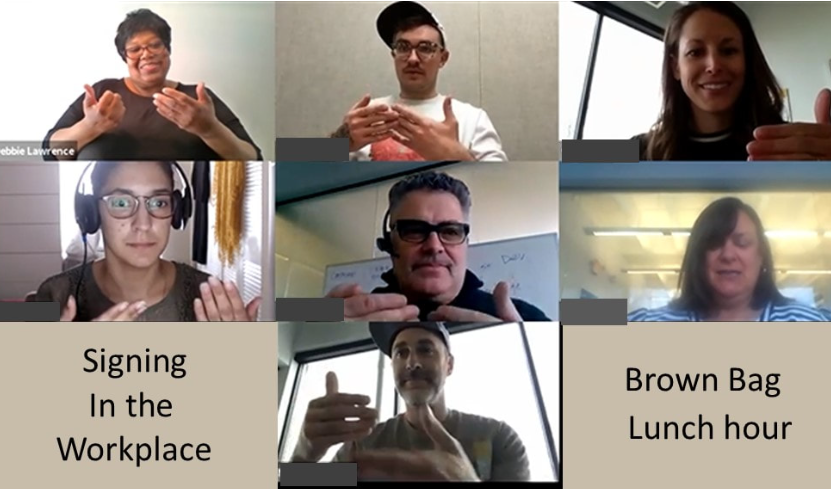
Easy Signing LLC, headquartered in Grayslake, IL, serves as a bridge for organizations looking to integrate authentic communication into their operations. Our approach to ASL training for businesses centers on live, interactive online sessions rather than pre-recorded modules. This format allows participants to receive immediate feedback and real-time correction from experts like Debbie, ensuring that hand shapes and movements are accurate from the start.
Customization is the cornerstone of our instruction. A local boutique in Grayslake requires a different linguistic toolkit than a regional medical center or a large-scale religious institution. We tailor every curriculum to reflect the specific vocabulary and scenarios your team encounters daily. Furthermore, true accessibility requires more than just memorizing signs; it demands comprehensive Deaf awareness training. By teaching the cultural nuances and history behind the language, we help businesses move from basic signing to genuine inclusion.
In the 2026 landscape of remote and hybrid work, our online platform provides the necessary flexibility for teams spread across multiple locations. We ensure that every employee, regardless of their physical workspace, can access the same high-quality corporate and business sign language training. This commitment to practical, expert-led education helps your organization build a culture where everyone belongs. For those interested in expanding their skills further, we also offer community ASL programs designed for individuals and families.
Investing in ASL and Deaf awareness is no longer just about compliance; it is a strategic move to foster an inclusive corporate culture and expand market accessibility. Companies that prioritize these skills build stronger teams and deeper customer relationships. If you want expert help navigating this transition, Easy Signing LLC provides the specialized tools your organization needs. Whether you are exploring corporate workshops or looking for foundational Baby Signing resources, we are here to help you foster clear communication across every level of your business.


