
Learning ASL for emergency situations empowers first responders and volunteers to communicate vital information during life-threatening crises where every second counts. This essential skill builds immediate trust and prevents dangerous misunderstandings; it ensures that deaf or hard-of-hearing individuals receive fast and accurate medical assistance.
Imagine standing at the scene of a medical emergency and realizing that the person in distress is trying to communicate, yet you cannot understand a single gesture they make. For first responders and concerned bystanders, this communication barrier creates a dangerous delay in care that often leads to increased trauma. In a crisis, every second counts. Being able to sign basic instructions or gather vital health information transforms you into a critical asset rather than a helpless witness. At Easy Signing LLC, we believe that basic proficiency in American Sign Language is a fundamental skill for community safety and effective crisis management. This guide explores the profound impact of ASL through a real world volunteer scenario. You will learn five essential signs for bystanders, how to navigate Deaf culture during a crisis, and the practical steps you can take to bridge the gap when communication becomes critical.
The Moment Communication Became Critical: A Real-World Scenario
It was a rainy Tuesday evening in Grayslake when a minor collision at a busy intersection near Route 83 turned into a profound lesson in community preparedness. A local resident, who had recently engaged in foundational training, was one of the first people to pull over. As she approached the vehicle, she expected to hear the typical sounds of a post-accident scene: shouting, crying, or the frantic exchange of insurance information. Instead, she encountered a heavy, anxious silence. Inside the car was a family clearly in distress, their hands moving rapidly in what she quickly recognized as American Sign Language.
The panic was palpable. Without a shared language, the family was unable to explain their immediate needs or understand the bystander’s verbal attempts to offer comfort. The father was pointing to his daughter in the back seat, his face contorted with worry, while the mother tried to find a pen and paper amidst the debris in the cabin. This is the reality of many accidents before professional help arrives. While we often think of learning ASL for emergency situations as a skill reserved for paramedics or police officers, the first five minutes of any crisis usually belong to ordinary citizens.
The volunteer stepped forward and made direct eye contact. She raised her hands and signed, "I SIGN. I HELP." The shift in the environment was instantaneous. The father’s shoulders dropped, and the frantic gestures slowed into clear, directed communication. By providing this immediate linguistic access, the volunteer bridged a gap that could have otherwise led to dangerous misunderstandings or escalating trauma. She was not there to provide a medical diagnosis; she was there to provide a lifeline of clarity. This level of readiness is why many local groups seek customized ASL training to ensure they are never helpless in a moment of need. Her presence transformed a chaotic scene into a managed one, proving that inclusion is a vital part of public safety in our Lake County community.
Why Learning ASL for Emergency Situations is a Community Necessity
Public safety is often viewed through the lens of professional response; however, the immediate moments following an incident rely heavily on the people already on the scene. Learning ASL for emergency situations is a community necessity because it transforms a language barrier from a point of secondary trauma into a point of connection. People frequently ask why it is important to learn ASL if they do not have Deaf family members. The answer lies in the shared responsibility of civic life. In Grayslake and the surrounding Lake County area, being a prepared neighbor means having the ability to communicate when the stakes are at their highest.
In high-stress environments, a common physiological reaction is the startle response. For a Deaf individual, being approached by a hearing person who is shouting or using aggressive, frantic gestures can be incredibly disorienting. These actions are often misinterpreted as anger or hostility, which only increases the victim's heart rate and anxiety. ASL training allows a bystander to approach with calm, deliberate movements that signal safety rather than threat. By replacing shouting with clear, visual communication, you provide the stability needed to keep a person grounded until professional help arrives.
This training also addresses the bystander effect, a social phenomenon where individuals fail to offer help because they feel unqualified or assume someone else will step in. Many people remain passive observers simply because they lack the specific tools to bridge a communication gap. At Easy Signing LLC, we focus on empowering students through live online ASL classes that move beyond basic vocabulary. Our customized ASL training prepares participants for these high-stakes, real-world interactions, ensuring that when a crisis occurs, our community members are equipped to be active, helpful participants who can provide immediate clarity and care.
Five Essential ASL Signs for Emergency Bystanders
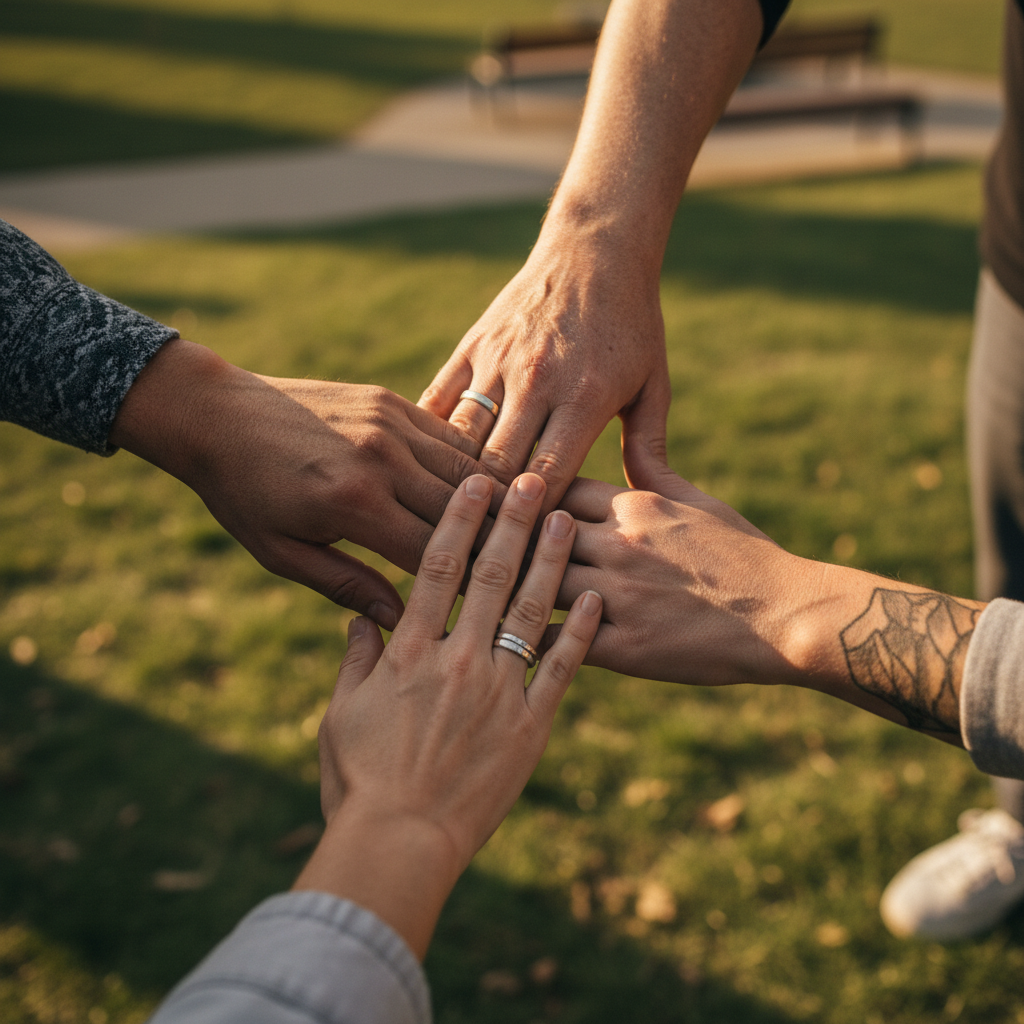
Providing immediate assistance begins with clear, visual anchors that transcend the noise of a crisis. When learning ASL for emergency situations, focusing on a few high-impact signs allows you to stabilize a scene and gather essential information. These five signs are selected for their ability to provide comfort and clarity when every second counts.
HELP: Place your dominant hand in a closed fist with the thumb pointing up. Place this fist on the open, flat palm of your other hand and move both hands upward in unison. This gesture is the most direct way to answer the common question of how do you say help in sign language.
HURT: Extend both index fingers and point them toward each other. Twist your hands in opposite directions. To provide more detail, move these twisting fingers near the part of the body that appears to be injured, such as the arm or head.
CALM: Position both hands at chest level with palms facing down. Move them slowly and steadily downward toward your waist. This sign is essential for de-escalating the physiological startle response often seen in accidents.
AMBULANCE: Raise one hand near the side of your head with your fingers spread and slightly curved. Rotate your wrist in a circular motion, mimicking the rotating lights of an emergency vehicle.
WAIT: Hold both hands in front of your body with palms facing you and fingers slightly spread. Wiggle your fingers gently. This is a powerful tool to manage expectations while professional help is en route.
In Lake County, these signs serve as a vital bridge while waiting for professional response teams. Being able to sign "I am a volunteer" (tugging your shirt near the shoulder with a thumb and index finger) or "Help is coming" (the sign for help followed by moving both flat hands toward the person to indicate arrival) can significantly lower the victim's heart rate. By mastering these through live online ASL classes, you ensure that your presence on a scene is a source of stability rather than confusion.
How ASL Bridges the Gap Between Victims and First Responders
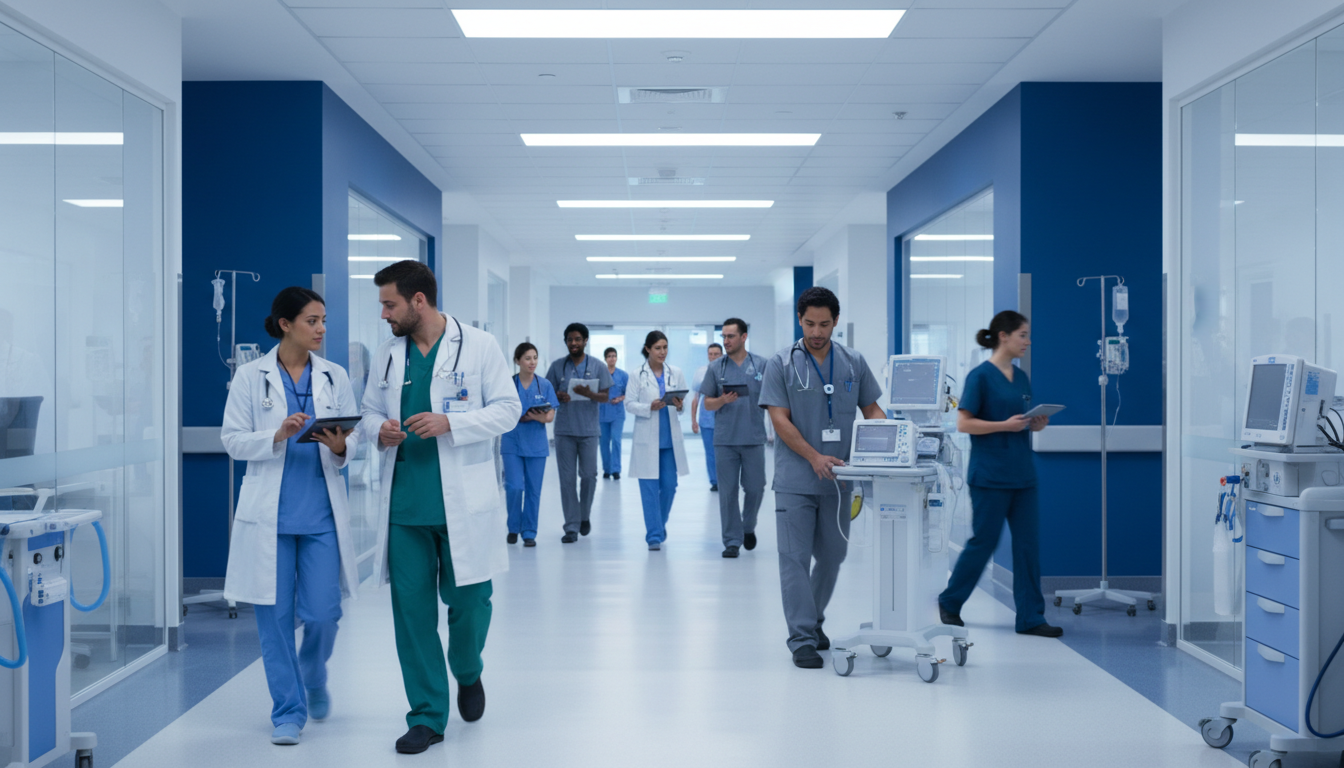
When sirens finally reach the scene, the volunteer’s role shifts from primary contact to a vital communication bridge. While some municipal departments are beginning to integrate sensory loss awareness into their protocols, research indicates that many police officers and EMTs still lack basic skills in asl for first responders. In the high-intensity minutes after an accident, this gap can lead to delayed medical treatment or legal misunderstandings. A community member with foundational training serves as a temporary conduit, ensuring that the victim’s voice is heard until a certified interpreter or an officer proficient in sign language for emergency responders can be reached.
The volunteer provides the initial intake that professional responders need to act. By signing questions like "WHERE HURT?" or "OTHERS IN CAR?", you can relay critical data to the paramedic standing by. This relay of information prevents the Deaf individual from having to struggle with a notepad or a phone screen while potentially in shock. It is essential to remember that a bystander is not a replacement for a professional, legal interpreter; however, in an emergency, your presence provides the immediate safety and clarity required to stabilize the situation.
By participating in live online ASL classes, volunteers learn how to accurately convey these urgent inquiries. Our customized ASL training at Easy Signing LLC emphasizes this collaborative role. You are there to facilitate the flow of information, reducing the friction between the emergency personnel's need for data and the victim's need for understanding. This transitional support is often what prevents a traumatic event from escalating into a full-scale communication crisis.
Deaf Culture and Trauma: Navigating Crisis with Sensitivity
Effective communication in a crisis requires more than knowing handshapes; it demands an understanding of how trauma intersects with Deaf culture. In first aid scenarios, touching a victim to check for a pulse or offer comfort is standard procedure. However, for a Deaf individual already navigating a high-stress environment, an unexpected touch can be jarring. It is a cultural best practice to gain visual attention and sign an intention before making physical contact. This simple step preserves the individual’s sense of autonomy and prevents a physical startle from escalating into a full panic response.
Environmental factors also play a critical role in linguistic access. At an accident scene in Lake County after dark, light is the only way for communication to occur. Position yourself so your face and hands are well-lit, but avoid standing directly in front of flashing strobe lights from emergency vehicles. These lights create visual noise that makes it difficult for a victim to process signs or facial expressions.
Our customized ASL training at Easy Signing LLC goes beyond the dictionary to teach these tactical nuances. We ensure that while you are learning ASL for emergency situations, you also understand how to manage the physical environment and maintain clear sightlines. By participating in live online ASL classes, you gain the cultural competence necessary to provide true inclusion and safety during the most stressful moments of a person’s life.
Starting Your ASL Journey for Real World Impact

Moving from observation to action requires more than just memorizing a few signs on a mobile app. While digital tools offer a basic starting point, they cannot provide the real-time feedback necessary to ensure your hand positioning is clear during a high-pressure scene. In an emergency, a slight mistake in a handshape can lead to a complete misunderstanding. Choosing live online ASL classes ensures you receive direct correction from an instructor, allowing you to develop the muscle memory and confidence needed to assist others effectively.
Local businesses in Grayslake, parents, and volunteers benefit most from customized ASL training that targets their specific daily interactions. Tailored instruction focuses on the vocabulary and cultural scenarios relevant to your life, whether you are managing a shop on Center Street or patrolling a neighborhood as a volunteer. If you are ready to become a more inclusive member of the Lake County community, contact us for community workshops to begin your journey. Learning ASL for emergency situations is not just a personal skill; it is a commitment to the safety and well-being of every neighbor.
Effective communication during an emergency can truly save lives. By learning signs for medical or safety situations, you bridge the gap between fear and understanding for the Deaf community. While self-study is a great start, mastering these critical skills often requires a more structured approach. If you want expert help in your journey toward fluency, we invite you to read more about our team and mission. Together, we can build a world where no one is left behind in a crisis.


