
Learning ASL for community connection facilitates meaningful interactions and provides essential support to Deaf individuals facing social isolation. By engaging with cultural experts and developing signing proficiency, volunteers can foster inclusive environments through respectful communication and dedicated service.
Many adults feel a deep pull toward community service yet find themselves standing on the sidelines because they lack the tools to communicate authentically with their neighbors. You might know a few basic signs, but the leap from memorizing hand shapes to building real relationships can feel intimidating. This gap often leads to missed opportunities for genuine connection. True engagement requires moving past the mechanics of the language and into the heart of Deaf culture. In this guide, we explore how to transition from a student to an active community participant. You will learn where to find local ASL coffee chats in Grayslake and the Greater Illinois area, how to volunteer your time respectfully as a beginner, and how to navigate the nerves of signing in public. Let us move beyond the classroom and into the vibrant, inclusive spaces where real connection happens.
Why Everyday Adults are Choosing ASL for Social and Community Connection
Human connection is rooted in the fundamental desire to be seen and understood. While digital platforms offer a surface level of interaction, many adults find themselves craving a more profound sense of belonging within their immediate physical environments. This pursuit often intensifies during significant life changes, such as retirement or career transitions, when the frantic pace of professional life slows down and the value of local relationships comes into sharper focus.
Unlike generic hobbies that reside solely on a screen, learning ASL for community connection offers a unique social and emotional return on investment. It is a proactive step toward reducing isolation, not only for the learner but for the Deaf and Hard of Hearing individuals who are already members of our neighborhoods, workplaces, and local groups. Content farm advice often frames sign language as a simple vocabulary list; however, for the purposeful adult, it is a tool for true allyship and meaningful engagement.
We see this drive manifest in practical, everyday goals. A resident may want to finally move beyond a simple wave and actually converse with a Deaf neighbor at the mailbox. A long-time member of a congregation might recognize the need for community and faith-based ASL programs to ensure every member can participate in worship. In other cases, parents and grandparents look for ASL classes for families to foster an inclusive home environment that values diverse communication styles. By choosing to learn, these adults are not just acquiring a skill. They are deciding to be better, more present citizens in a diverse society.
The Difference Between Memorizing Signs and Joining a Community
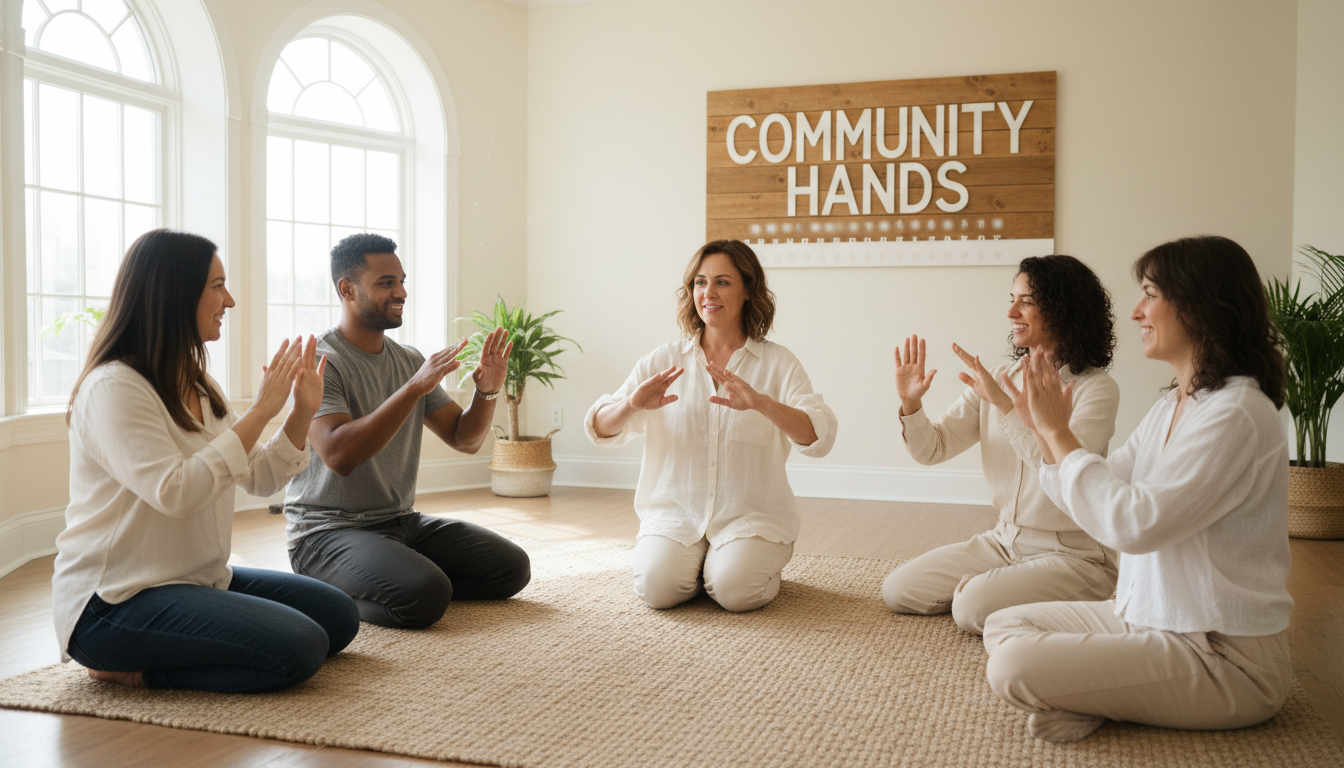
To build a genuine bridge, one must understand that American Sign Language is far more than a collection of hand shapes. A common misconception among new learners is that fluency is achieved by memorizing an expansive vocabulary. In reality, ASL is approximately 30 percent manual signs and 70 percent culture and non-manual markers. These markers, which include facial expressions, head movements, and eye gaze, function as the tone of voice and grammar of the language. Without them, even the most accurate hand signs remain hollow and difficult for a native signer to process.
This is why Deaf Awareness Training is the cornerstone of our approach at Easy Signing LLC. Learning the social norms of the community is often more critical for connection than having a massive vocabulary. For example, maintaining consistent eye contact is not just a sign of politeness; it is a linguistic requirement. Understanding appropriate ways to get someone's attention, such as a gentle tap on the shoulder or a wave within the line of sight, demonstrates a respect for the cultural nuances that define Deaf spaces. These small, practical behaviors signal that you value the person, not just the practice of a new skill.
A significant part of this cultural education involves a shift in mindset regarding the purpose of learning. We urge students to steer away from the concept of saviordom, or the idea that they are learning ASL to help the Deaf community. This perspective creates an inherent power imbalance that hinders true connection. Instead, we frame the journey as one of allyship and mutual friendship. The goal is not to fix a perceived problem, but to remove a barrier to communication so that meaningful, two-way relationships can flourish. When you approach the language as a guest and a peer, you move beyond the mechanics of signing and begin the actual work of joining a community.
How to Volunteer with the Deaf Community as a Beginner
Moving from the classroom to the community requires a practical understanding of how to be useful without overstepping. A frequent question among new students is exactly how long it takes to have enough skill to volunteer. The honest answer is that you do not need to be fluent to be of service. While professional interpreting is a years long journey requiring specialized certification for medical or legal settings, basic community engagement can begin within months of starting your first class.
Focus on roles where communication is a supportive tool rather than the primary output. You do not need a massive vocabulary to assist with event logistics, such as setting up chairs for a community workshop, organizing flyers for a library program, or helping with registration at a local festival. Another deeply impactful area is social companionship. Many older Deaf adults face high levels of isolation; a volunteer who can fingerspell, use basic greetings, and offer a patient, signing presence can provide vital social interaction.
In these environments, your role is to be a willing learner who respects Deaf leadership. This means taking direction from Deaf organizers and observing how the community interacts before jumping in to help. Engaging in this way ensures that learning ASL for community connection remains a grounded, practical experience rather than just an academic exercise. By pairing your classroom progress with Deaf Awareness Training, you will gain the cultural confidence to enter these spaces with the humility required to be a truly effective ally. Your goal is to support the existing community structure, facilitating inclusion through presence and basic communication.
Finding ASL Social Clubs and Deaf Coffee Chats Near You
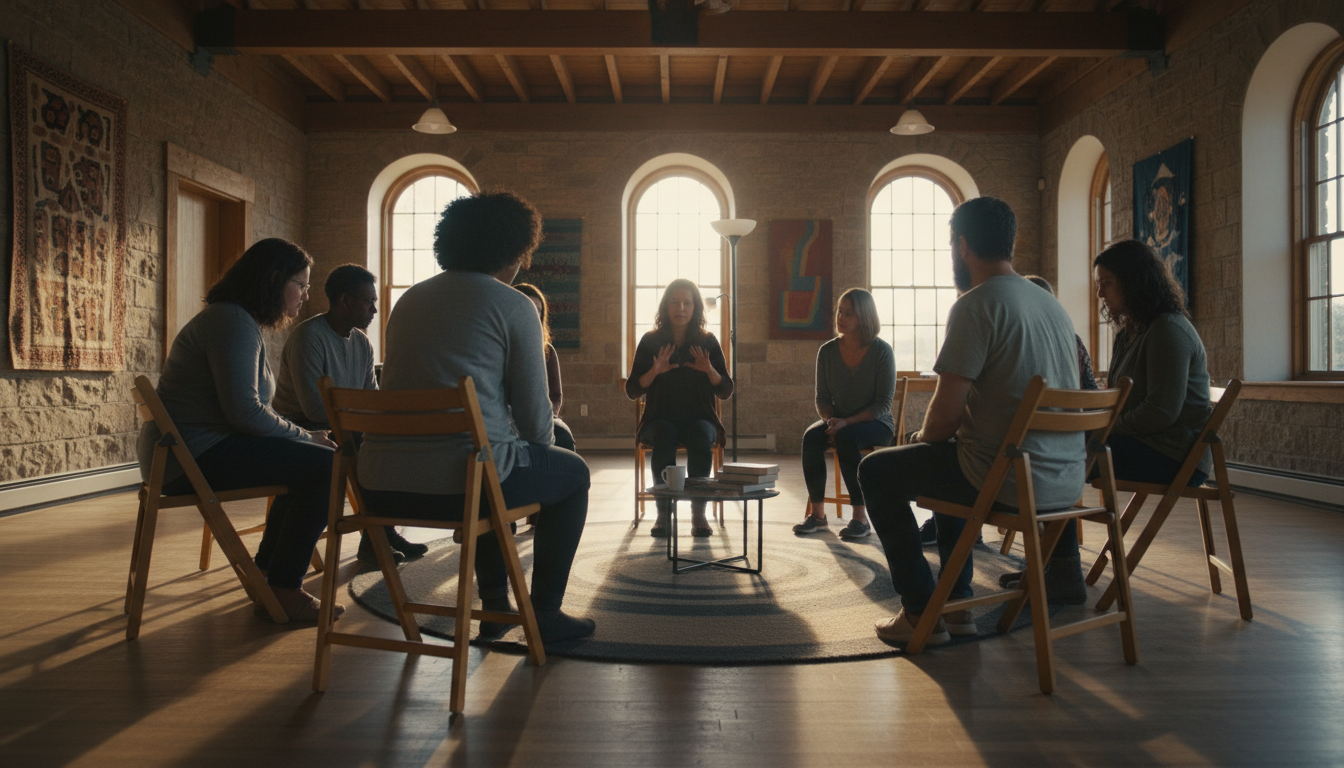
Once you have gained confidence through basic community engagement, attending a "Silent Dinner" or "Deaf Coffee Chat" is a natural next step for learning ASL for community connection. These gatherings are informal meetups held in public spaces like cafes or food courts where the primary communication method is sign language. Unlike a classroom, these are unstructured environments where the focus is on genuine social interaction.
Entering these spaces requires a specific set of social protocols to ensure you remain a respectful guest. The most important rule is the "voices off" policy. Even if you are struggling to express a thought, avoid using your voice, as it disrupts the visual environment and can feel exclusionary to those around you. Instead, be prepared to use a pen and paper or a notes app on your phone to bridge communication gaps. This demonstrates that you value the visual nature of the space over your own convenience.
Keep the following etiquette in mind to honor the community: - Prioritize observation over active signing; watching fluent signers helps you understand natural pacing and Deaf Awareness Training in action. - Avoid treating the event as a tutoring session; participants are there to relax and socialize, not to act as unpaid instructors. - Maintain constant visual attention on the speaker to signal engagement, even if you do not understand every sign.
Remember that these events are primarily intended for the Deaf community to socialize in their native language. By positioning yourself as a quiet, attentive learner who respects these boundaries, you demonstrate the humility necessary for long term inclusion.
Opportunities for Connection in Religious and Faith Communities
Faith communities are built on the shared experience of worship and fellowship, yet they can be some of the most isolating spaces for Deaf individuals. When a service relies heavily on spoken word and choral music, a person who signs may feel like a spectator rather than a member. True inclusion in these settings goes beyond hiring an interpreter for the front of the room; it involves a fundamental shift in how the congregation approaches communication and physical space.
For those interested in community and faith-based ASL programs, the focus starts with practical environmental adjustments. Proper lighting is essential. Shadows can obscure facial expressions and hand movements, making it nearly impossible to follow a message. Incorporating visual cues, such as clear lyric projections and intentional sightlines, ensures that every congregant can engage. By learning ASL for community connection within a religious context, members can master specific theological signs that allow for direct interaction during prayer or small group discussions. This specialized training transforms a house of worship from a place where Deaf individuals are merely accommodated to one where they are genuinely welcomed. Easy Signing LLC provides customized workshops for religious institutions to bridge these gaps, fostering a spiritual environment where every member can participate fully.
Connecting Locally: ASL Resources in Grayslake and Greater Illinois
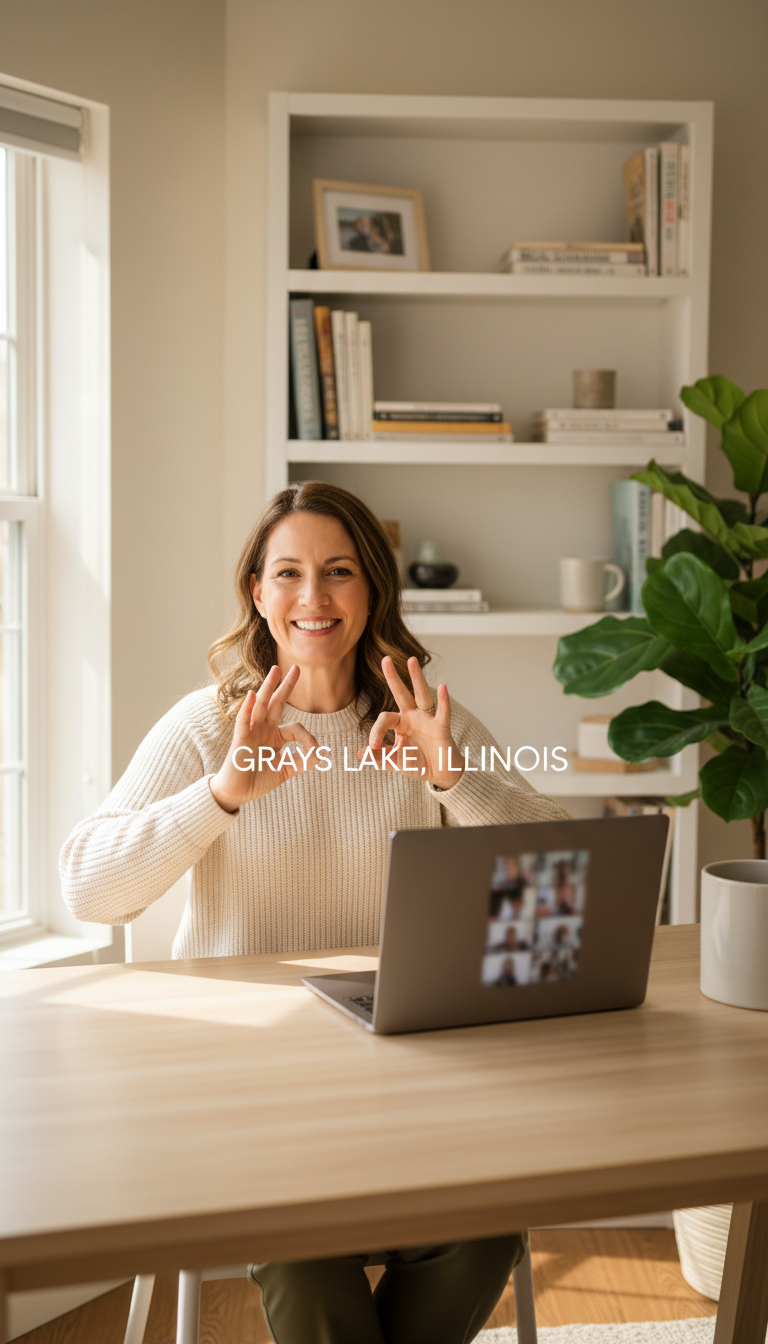
Building a support network begins exactly where you live. In Grayslake and throughout the Lake County area, the goal of learning ASL for community connection is best realized through local cohorts. While many digital programs feel isolating, live online classes are designed to bridge that gap by grouping students from similar geographic regions or shared interest groups. This intentional structure allows neighbors to transition from virtual classmates to real-world signing partners, creating a bridge between the screen and the street.
To maintain your skills over the long term, we recommend forming a "signing circle" in your own town. This is a small, informal group of learners who meet at a local library or park to practice without the pressure of a formal curriculum. By keeping your practice local, you become a visible, accessible ally in your immediate neighborhood. When you combine this consistent practice with Deaf Awareness Training, you prepare yourself to engage authentically with the Deaf community across Greater Illinois, ensuring your skills translate into meaningful, local impact.
Overcoming the Fear of Making Mistakes While Signing
Adults often experience a specific type of performance anxiety when they begin learning ASL for community connection. The fear of signing incorrectly or looking awkward can lead to hesitation, but moving through this discomfort is essential for growth. To maintain confidence, prioritize clarity over speed. A slow, deliberate sign is far more helpful to your conversation partner than a fast, blurry one that lacks clear handshapes.
Incorporate facial expressions to provide context and tone. Since ASL relies heavily on non-manual markers, your eyebrows and mouth movements clarify if you are asking a question, expressing surprise, or making a statement. If you lose the thread of a conversation, simply use the sign for "AGAIN" or "SLOW." Most Deaf individuals appreciate the effort of learners who approach the language with humility rather than perfectionism. This genuine attempt at communication, especially when grounded in Deaf Awareness Training, builds the rapport needed for lasting inclusion. Mistakes are not barriers; they are functional opportunities to learn the nuances of the language directly from the community you are joining.
Building a more inclusive community through ASL starts with a commitment to respectful engagement and a willingness to learn. By volunteering your time and focusing on genuine connection, you can bridge the gap between the Deaf and hearing worlds. If you find yourself wanting expert help as you navigate this journey, we are here to support your growth. Our Personal & Family ASL program offers tailored guidance for those looking to deepen their signing skills in a supportive environment. Taking this next step ensures you communicate with clarity and confidence.


